





























Summer Is Unpredictable: Is Your Water Hose Ready for the Job?
In summer, water needs can change very quickly. One day, a hose may be needed for irrigation, filling tanks or supplying water, while the next day, after heavy rainfall, it may be used to remove accumulated water from a yard, greenhouse, construction site, basement or production area.
As the summer season is already underway, it is worth checking whether your current water hoses still meet your actual working conditions. A properly selected hose helps you work faster, more conveniently and more reliably — both when supplying water and when removing it.
When Should You Check Your Hose?
A hose that is used regularly is exposed to various loads and conditions. It may be pulled, bent, exposed to sunlight, water pressure, vacuum, dirt and friction. Over time, cracks, hardening, deformation or leaking connections may appear. Even minor damage can reduce water flow, cause leaks or make the work more difficult.
If the hose has become difficult to bend, leaks, cracks, collapses during use or no longer withstands the required working conditions, it may be time to consider a more suitable solution.
How to Choose the Right Water Hose?
One of the most common mistakes is choosing a hose based only on its length or price. Different tasks require different hose properties, so it is important to consider where and how the hose will be used.
- If the hose will be used for irrigation, choose a hose that is flexible, convenient and easy to move. In this case, it is important to consider its length, weight, flexibility and connection compatibility.
- If the hose will be used for water supply, pay attention to the working pressure and internal diameter. The internal diameter affects the water flow, while pressure resistance determines whether the hose will operate reliably with the equipment or system being used.
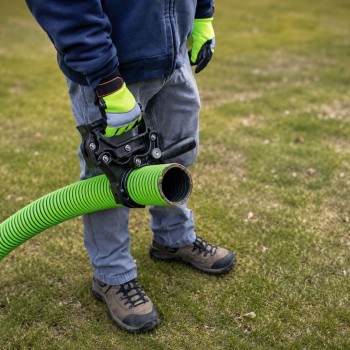
- If the hose will be used for suction or water removal, choose a hose designed for vacuum applications. It must not collapse during operation and should retain its shape to ensure smooth water removal.
- If the hose will be frequently pulled, bent or moved, it is worth choosing a hose with a more durable construction. For intensive use, flexibility is important, but so are resistance to abrasion, kinking and mechanical damage.
- If the hose will be used on a construction site, farm or production area, a stronger, reinforced hose is usually the better choice. Such hoses are more suitable for demanding conditions where there may be dirt, uneven surfaces, friction or heavier loads.
- If the hose will be stored or used outdoors, it is essential to consider resistance to environmental factors. Sunlight, temperature changes, moisture and UV rays can accelerate hose ageing, so outdoor use requires materials designed for these conditions.
- If a higher water flow is required, choose the correct internal diameter. A hose that is too narrow may restrict water flow, while an excessively long or incorrectly selected hose can reduce work efficiency.
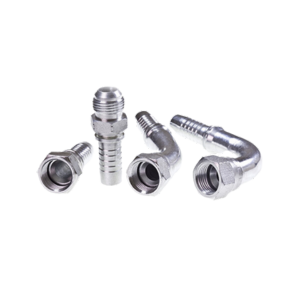
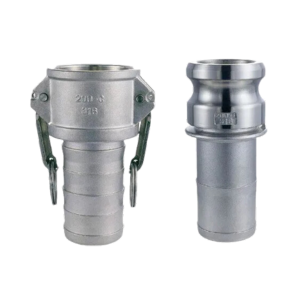
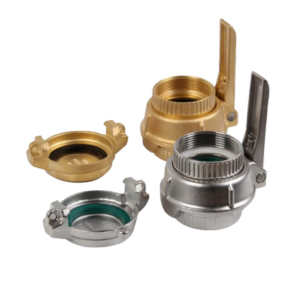
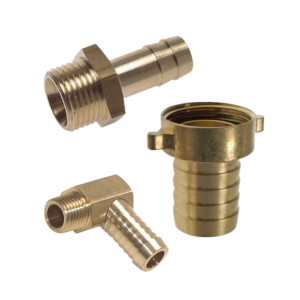
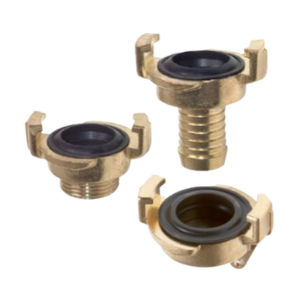
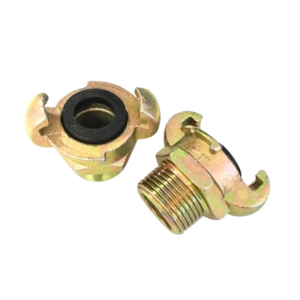
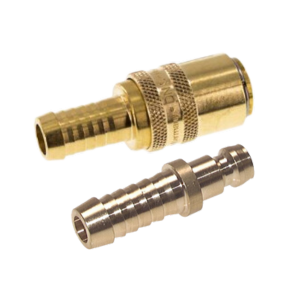
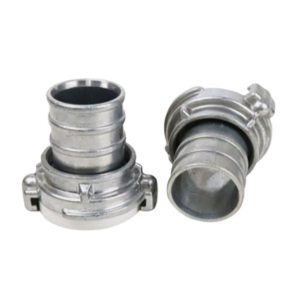
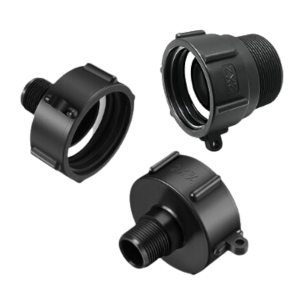
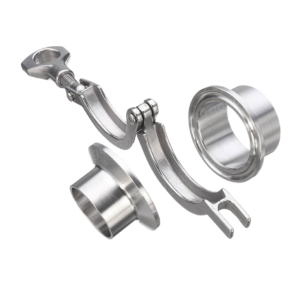
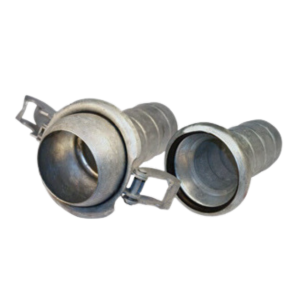
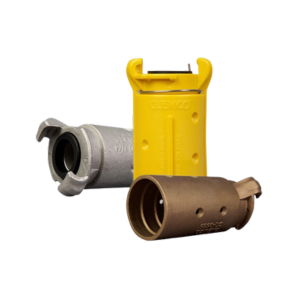
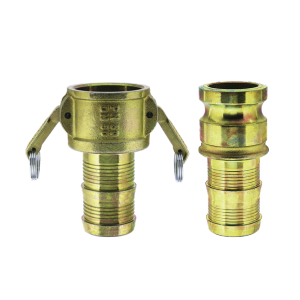
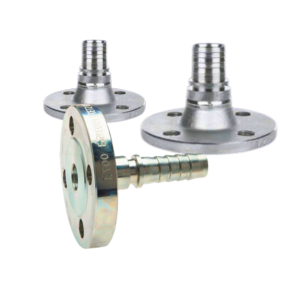
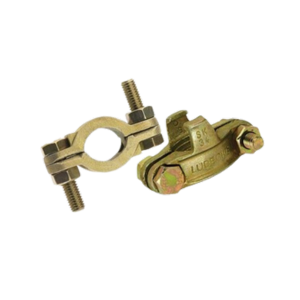
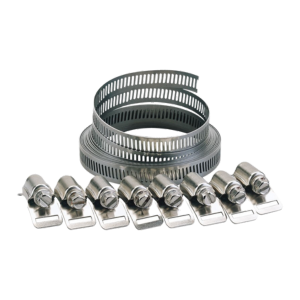
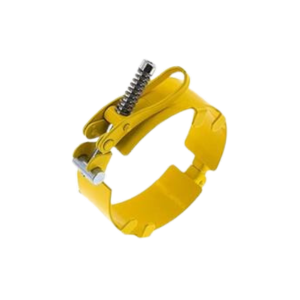
- If the hose will be connected to a pump or other equipment, make sure that the fittings and connections are suitable and leak-tight. Even a high-quality hose will not perform reliably if the connections are not properly selected.
What Are the Benefits of Choosing the Right Hose?
A properly selected hose helps ensure stable water flow, reduces the risk of leaks and downtime, allows pumps or other equipment to operate more efficiently and helps avoid unnecessary replacements during the season.
A reliable hose also makes everyday work easier — it is more convenient to pull, bend, connect and use in different situations. This is especially important in summer, when weather conditions can change quickly: from drought and intensive irrigation to heavy rainfall and flooded areas.
Hidrobalt Helps You Make the Right Choice
The Hidrobalt team helps you make the right choice based on your specific needs, working conditions and the equipment being used. This way, customers receive not just a random product, but a reliable solution that performs its function effectively.