





























What to Do When a Hydraulic Hose Bursts?
Safely stop the equipment, remove the hose together with its ends and bring it to a Hidrobalt branch – we will make a new hose in 15–30 minutes.
A hose usually bursts at the worst possible moment, and every hour of downtime costs money. Below you will find a short guide and tips on how to make sure the failure does not happen again.
What to do right after the failure
- Stop the equipment and release the pressure. Lower and secure any mechanisms. Never check for leaks with your hand – a high-pressure oil jet can injure the skin.
- Remove the entire hose together with its ends. The fittings are the most important information for making a new hose. Cover open ports so that no dirt gets into the system.
- Take photos and measure. The marking on the hose, both ends, their position relative to each other and the overall length.
- Bring the hose to a Hidrobalt branch or send photos and specifications by e-mail.
Tip: if the same hose has burst more than once, tell our specialists – the problem may lie in how it was selected or installed.
How quickly a new hose is made
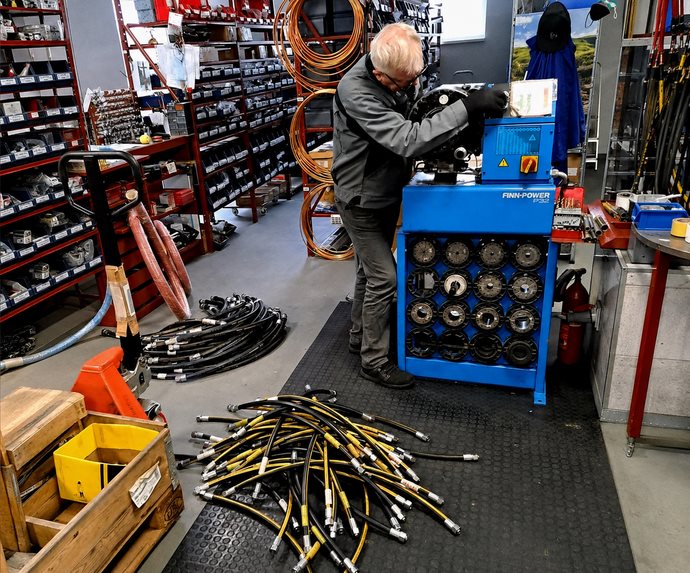
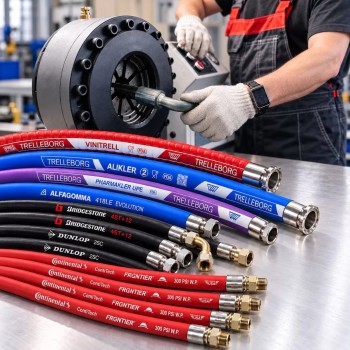
A standard hydraulic or industrial hose is made in 15–30 minutes, depending on its complexity and diameter. Based on the old hose or the specifications, we select the hose and fittings, cut the hose cleanly, clean it and crimp it. You can collect the finished hose at the branch, or we will deliver it to your address.
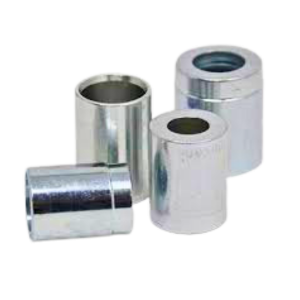
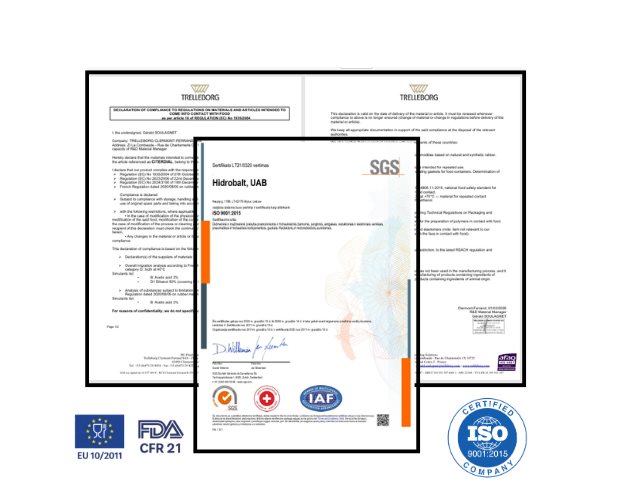
We use certified ferrules and fittings according to DIN, SAE and ISO standards, set the crimping force according to the manufacturer’s tolerance tables and carry out the work in line with ISO 9001 quality management requirements.
How to prevent a repeat failure
Most often a hose bursts again when it is replaced with one that looks “the same” but is not quite right. Pay attention to:
- Pressure class too low. 1SN and 2SN hoses of the same diameter look similar, but 2SN has two steel wire braids and withstands much higher pressure.
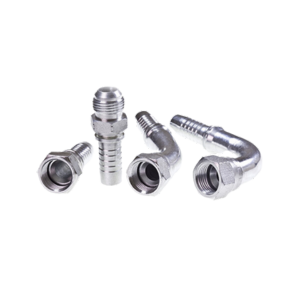
- Similar, but not identical threads. BSP, JIC, ORFS or DKOL / DKOS fittings can look almost the same, but the wrong fitting will leak oil.
- Wrong end orientation. Angled fittings crimped at the wrong angle twist the hose, and a twisted hose has a much shorter service life.
- Old fittings. Crimp fittings are single-use, so a new hose is always made with new ones.
We assess five parameters using the S.T.A.M.P. method: size, temperature, application, media and pressure. If you do not know all the details, the old hose is usually enough. Read more about hose selection in the article “Selecting Industrial Hoses: Costly Mistakes to Avoid”.
What hoses we make
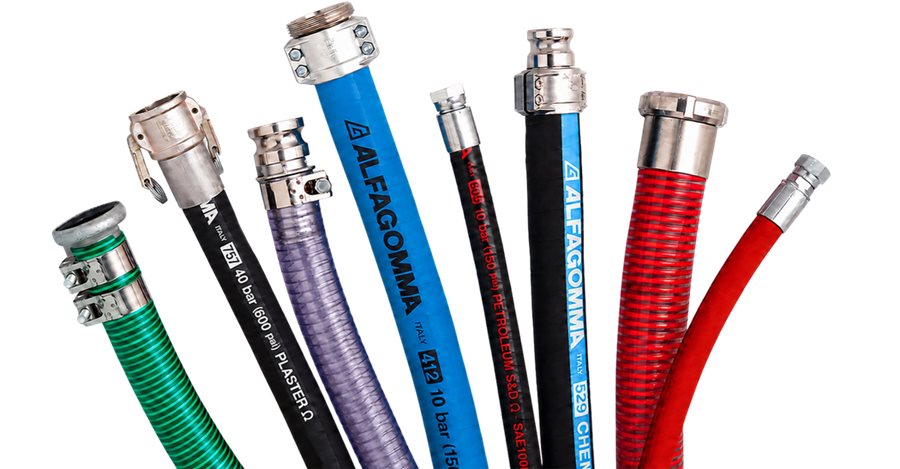
- Hydraulic hoses – 1SN, 2SN, 2SC, 4ST, 1TE, 3TE.
- Industrial hoses – for water, steam, air, food (FDA), chemicals, petroleum products and abrasives.
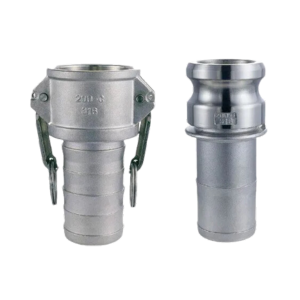
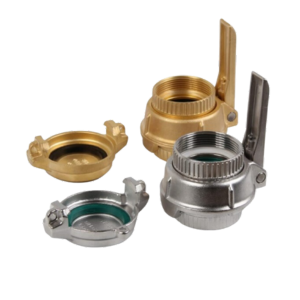
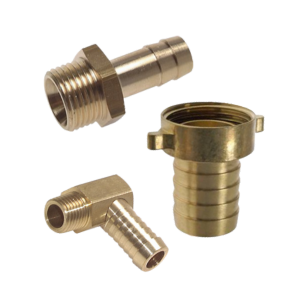
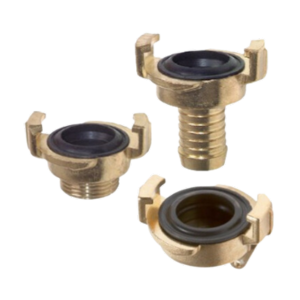
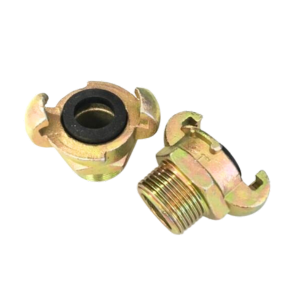
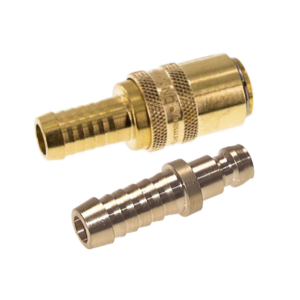
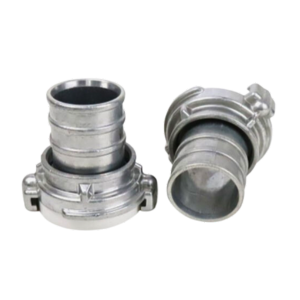
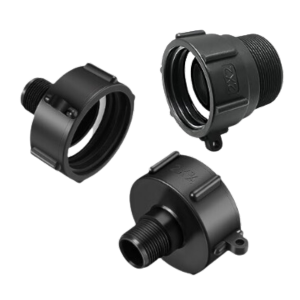
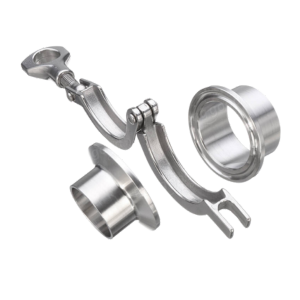
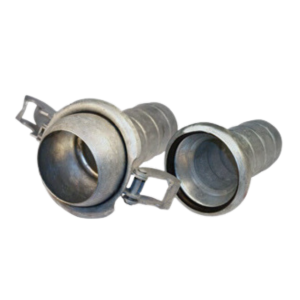
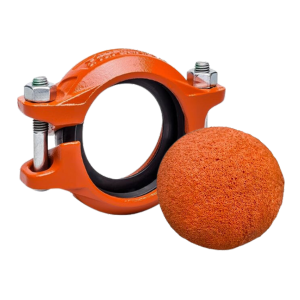
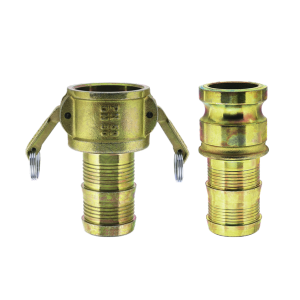
- With fittings and protection – hydraulic, Camlock, Storz, DIN, CLAMP and other fittings, as well as protection against abrasion or heat.
We make both single hoses for urgent repairs and series for equipment manufacturers.
Frequently asked questions
Can you deliver the finished hose?
Yes. You can collect the finished hose at the branch, or we will deliver it to your address.
Can you make a hose based on an old sample?
Yes. Our technicians will determine the parameters of the old hose, select new components and make a replica.
Do you make hoses for the food and chemical industries?
Yes – for the food industry in line with FDA 21 CFR and EU 10/2011 requirements, and PTFE, UPE and XLPE hoses for chemicals.
Bring your old hose to the nearest Hidrobalt branch or contact us: +370 655 11 222, [email protected] (Mon–Fri 07:30–16:30).