




























Hidden Costs: How Much Do Compressed Air Leaks Really Cost?
Compressed air is one of the most essential — and at the same time one of the most expensive — forms of energy in industry. It is widely used across various processes, from automated production lines to packaging, transportation, and processing operations. However, unlike other energy sources, compressed air is often not directly associated with costs, which means its efficiency does not always receive the attention it deserves.
In reality, generating compressed air is an energy-intensive process that requires significant electricity consumption. Every additional bar of pressure, every leak, and every pressure drop directly increases energy usage. As a result, even small inefficiencies within the system can have a substantial financial impact on overall operations.
Invisible losses that turn into real costs
Compressed air leaks rarely cause immediate problems — equipment continues to operate and production does not stop, so they often go unnoticed. However, this “invisible” issue is one of the most costly.
Even small leaks can account for up to 20–30% of total compressed air system energy consumption. This means that a significant portion of the generated air is simply lost before it even reaches the point of use.
Over time, this leads to:
· continuously increasing electricity costs
· inefficient compressor operation and overload
· faster equipment wear and more frequent maintenance
It is important to note that these losses are not purely financial. Pressure fluctuations can lead to unstable equipment performance, reduced precision, and even production disruptions. In some cases, this may also affect product quality and overall process reliability.
Why the problem is often addressed incorrectly
When faced with efficiency issues, the most common reaction is to increase system capacity. Companies invest in new or more powerful compressors, hoping to compensate for the losses. However, this often only increases energy consumption without addressing the root cause.
If the system remains leaky, even the most advanced equipment will operate inefficiently. In other words, energy losses are not eliminated — they are simply “masked” by increased capacity.
The real issue usually lies within the infrastructure. Over time, systems wear out, connections lose their tightness, pipelines degrade, and system expansions are not always implemented optimally.
The most common sources of loss include:
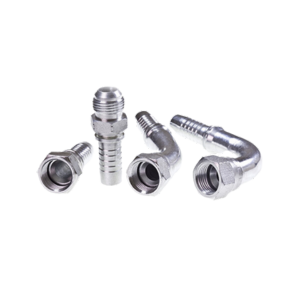
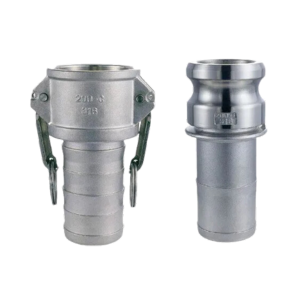
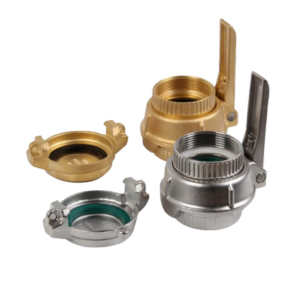
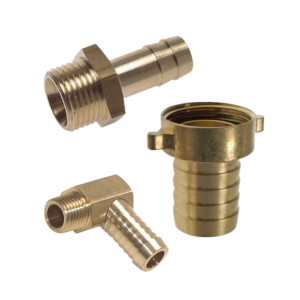
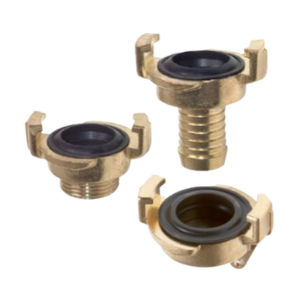
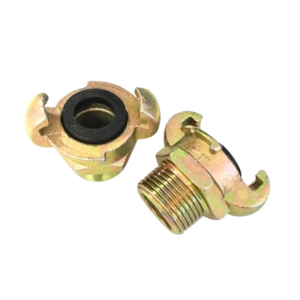
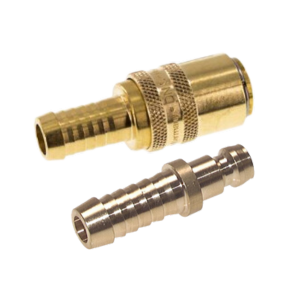
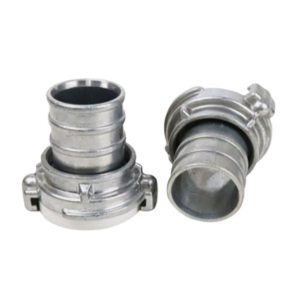
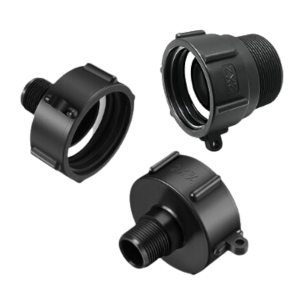
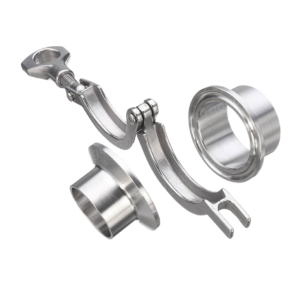
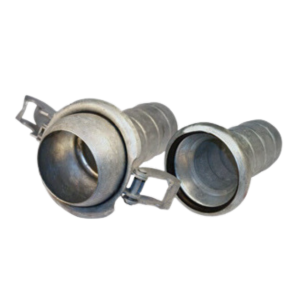
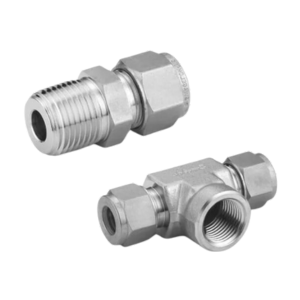
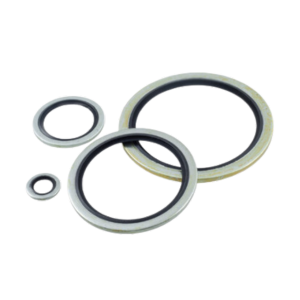
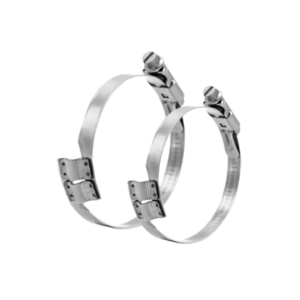
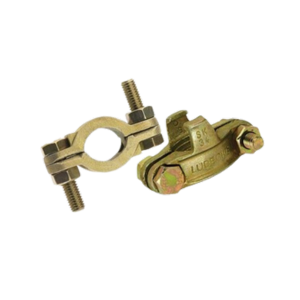
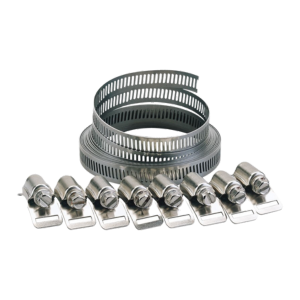
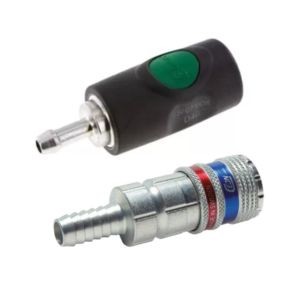
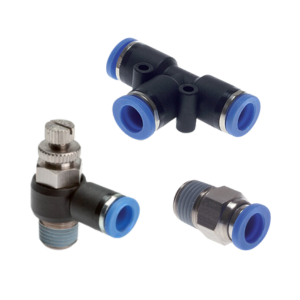
· leaking, worn, or improperly selected connections
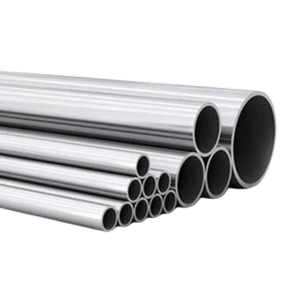
· older piping systems that lose tightness and increase pressure losses
Efficiency starts with the system, not the equipment
Achieving real energy efficiency requires viewing the compressed air system as a complete infrastructure. Tightness, proper design, and high-quality components are key factors that determine overall system performance.
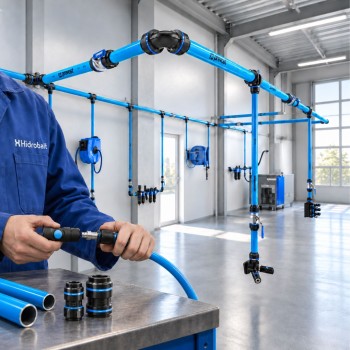
Modern solutions, such as aluminum piping systems, significantly improve system efficiency. Their smooth internal surface reduces pressure losses, while leak-tight connections ensure that air reaches the point of use without unnecessary loss.
Key benefits include:
· reduced energy losses across the system
· more stable and consistent pressure
· longer service life and lower maintenance requirements
In addition, such systems offer flexibility — they can be easily adapted to changing production needs, expansions, or technological upgrades.
Long-term business value
It is important to understand that compressed air system efficiency is not just a technical issue — it is directly linked to business competitiveness. Lower energy consumption means reduced production costs, more stable processes, and higher operational reliability.
Investments in system tightness and infrastructure optimization often deliver faster returns than investments in new equipment. It is one of the most effective ways to reduce operational costs without major structural changes.
Solutions that reduce losses
Hidrobalt offers not only individual products but also comprehensive solutions for compressed air systems. Our goal is to help identify real losses and provide solutions that deliver measurable results.
We start with an evaluation of the existing system — identifying potential leaks, assessing pressure losses, and analyzing the overall condition of the infrastructure. Based on this analysis, we select the optimal solution, from leak-tight connections to modern aluminum piping systems.
By working with trusted manufacturers such as Prevost, we ensure high quality and long-term reliability. Our solutions focus on real efficiency — lower energy consumption, more stable system performance, and longer equipment lifespan.
Each project is evaluated individually, ensuring that every client receives a solution tailored to their specific operational needs.