




























Is your transported product protected from temperature fluctuations?
In manufacturing, most attention is usually given to core equipment – mixers, pumps, reactors, or dosing systems. However, process stability is often determined by less visible components. One of them is the industrial hose.
At first glance, it may seem like a simple connection between two pieces of equipment. In reality, it is a critical part of the transfer system that can have a direct impact on product quality and overall process reliability.
Why is temperature so important?
When working with temperature-sensitive products, even minor fluctuations can cause problems. A change of just a few degrees can affect viscosity, flow rate, or product structure.
For example, chocolate mass must be maintained at a specific temperature to preserve the correct consistency. If it cools during transfer, the flow slows down, pump load increases, and blockages may occur. This can result in downtime, additional costs, and potential product losses.
Similar situations arise when handling syrups, fats, oils, adhesives, or other high-viscosity materials. In such cases, temperature control becomes a necessity rather than an optional feature.
The solution – heated industrial hoses
To maintain a constant temperature throughout the entire transfer process, industrial hoses with integrated heating elements and temperature control systems are used.
Heat is distributed evenly along the entire length of the hose, preventing local cooling points. Integrated control allows the set temperature to be maintained according to the specific requirements of the product.
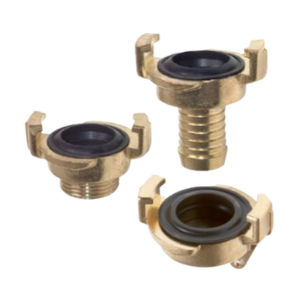
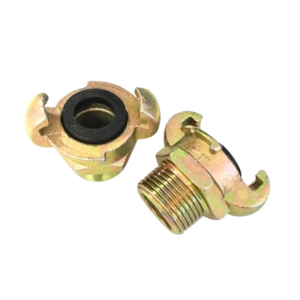
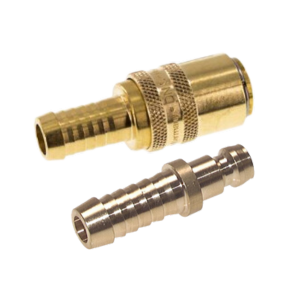
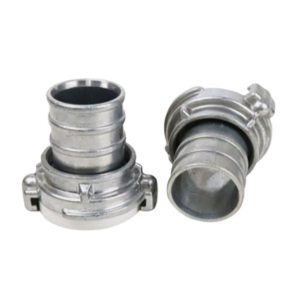
These solutions are individually customized, taking into account operating temperature, pressure, media properties, and installation conditions. Hoses can be powered from a standard electrical supply, equipped with DIN-type fittings, and easily integrated into existing systems.
Stable transfer – stable process
When temperature is controlled throughout the transfer, the process becomes more stable and easier to manage. The risk of downtime is reduced, pump operation becomes smoother, dosing remains accurate, and consistent product quality is ensured.
In industry, it is not enough to simply manufacture a product – it is equally important to ensure that it moves safely and reliably to the next stage of the process. In many cases, the transfer system determines whether production runs smoothly.